Six years later, so much of my life had changed. My credit report was still stuck in 2008.
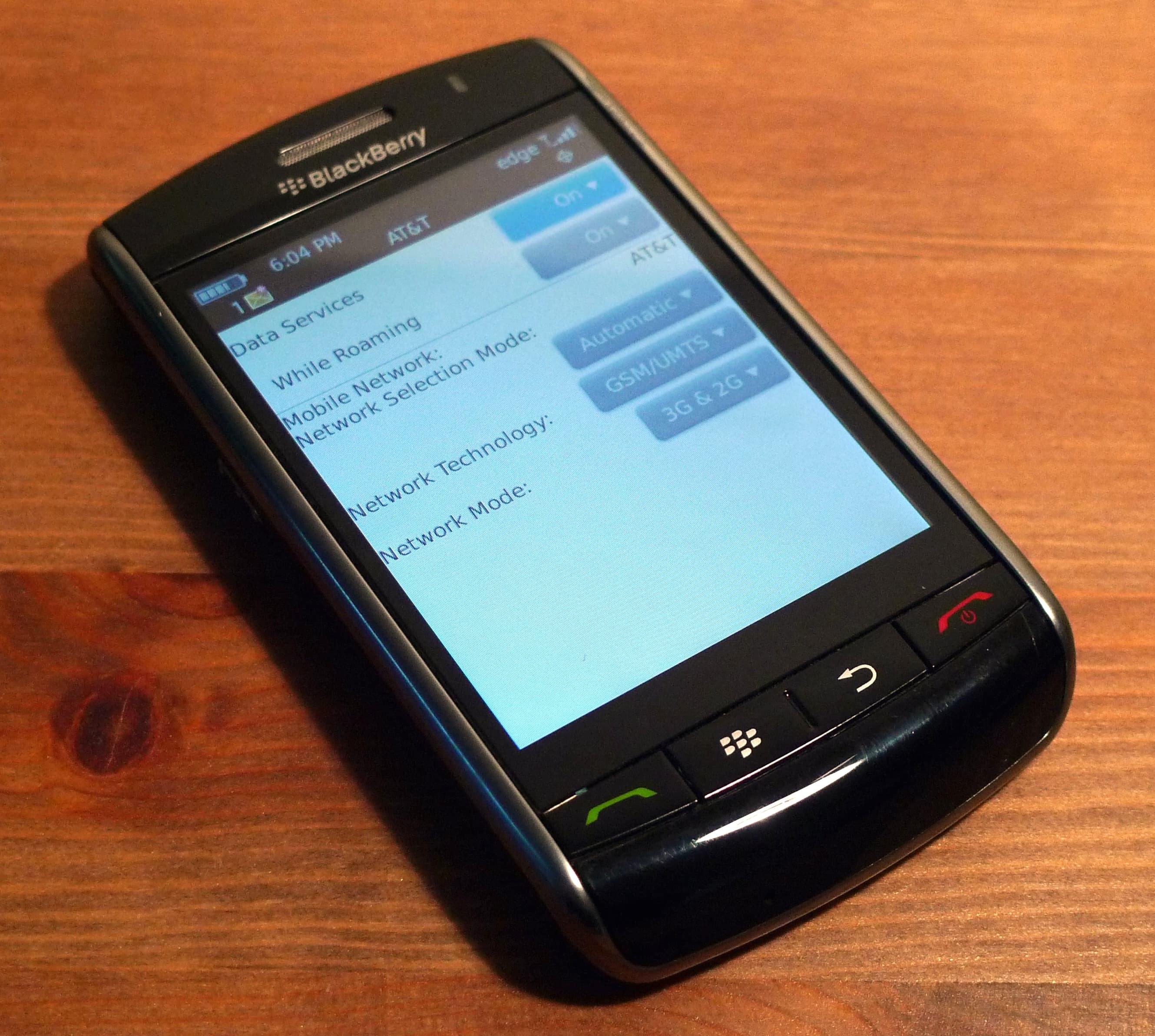
I'll never forget how it started: buying my very first smartphone. The year was 2008, I had just graduated from college, and I was making the very important decision between an Apple iPhone and a (wait for it) … BlackBerry Storm.
Yes, BlackBerry made a phone with a glass touchscreen. The whole screen clicked when you pressed it, which I found deeply satisfying.
But of course I chose the iPhone, right?
Wrong.
My big grownup purchase
I walked into Verizon so proud to have money from my first job out of college, ready to make a big grownup lady purchase. The rest of my life was sort of in hot-mess territory: a toxic relationship, too much partying, three random side gigs rather than putting my double major to use, and a healthy assortment of decisions I'd later regret.
Ah, to be young.
I vividly remember the person helping me saying, "You don't have bad credit. You just have no credit. You're a blank slate. We're approving you."
Hooray! A blank slate. Given everything else going on in my life, I loved the sound of that. A fresh start and a shiny, clicky-clacky new phone.
A few weeks later, the shine had worn off. The phone would freeze and refuse to respond. I couldn't get it to do the "smart" things it had promised. When I did manage to connect a call, the service was terrible.
So I put it in a drawer and decided to deal with it later.
"Dealing with it"
When the first bill arrived, my version of "dealing with it" was to simply not pay.
How could they fault me?! The phone didn't work. The service was terrible.
Did I call anyone to explain this? Ask about returning the phone? Cancel the service?
No. Of course not.
I put my head in the sand, threw on a "going out top" (remember those?), and moved on with my life.
The bills, unfortunately, did not move on with theirs.
First came letters from Verizon, which I ignored. Then came letters from debt collectors. My mom, whom I was living with, noticed all this incoming squawking and started hassling me to get my act together.
By the time I finally called to pay, the account had gone to collections. My "blank slate" had become a credit score in the 500s.
I paid the collection bill, assuming that settling what I owed would put things back the way they were.
But no, paying the debt collector didn't do anything for my credit score.
I searched the internet for someone who could help me figure out what to do next. I couldn't find the kind of help I was looking for, so I moved on and hoped that eventually my good decisions would outweigh this bad one.
A credit report stuck in 2008
Six years later, so much of my life had changed.
Looking back, the distance between those two versions of me still feels enormous. I'd gone from a lost post-college slump to doing well in my career and relationships. I was engaged to my now-husband, and we were ready to buy our first home.
My credit report, meanwhile, was still stuck in 2008.
I'd been added as an authorized user and gotten a secured credit card. But when it came time to apply for a mortgage, my credit was still too bruised for us to include me on the loan. That part was all on my fiancé.
Around the same time, I got an offer for my first job in financial services. It came with a credit check.
My score was around 620 by then, and I was already embarrassed about it. Knowing someone at my prospective employer would be looking at my credit history brought all that embarrassment right back. Would they see me as a risk? Would a phone bill I hadn't paid years ago change their opinion of the person they'd just offered a job?
I started counting down until the collection would fall off my report.
I'd taken a few steps to rebuild, but I didn't really understand how they worked together or what else I could do. I certainly didn't know to look into things like rent reporting, or whether the apartment I paid for every month could help me build credit.
Mostly, I felt like I was waiting out a sentence.
The seven-year weight
When the collection finally dropped off around the seven-year mark, my score shot into the 800s. It felt like it happened overnight.
I was elated. This old mistake was finally behind me.
Then, somewhat unexpectedly, I was angry.
I knew I should have paid the bill. Or returned the phone. Or picked up literally any other phone and called Verizon. I wasn't confused about my part in this.
What frustrated me was how little I'd understood about what would happen next, and how lost I'd felt trying to move forward.
I had a college education. My dad was a financial planner. And still, I'd entered adulthood knowing almost nothing about the credit system. I thought paying what I owed would undo the damage. When it didn't, I thought all I could do was wait.
I kept thinking about how many other people might be feeling the same way.
The help I wish I'd had
That's a big part of why I'm proud to be at Solid Credit.
I think about the young adults walking into this system for the first time, excited about a new phone or a first apartment, with no idea what they're signing up for. And I think about the people who have already made a mistake, paid what they owed, and are still wondering, "Okay, now what?"
I want us to be useful in those moments. To help people understand what's on their reports, correct what's wrong, and figure out what they can do next. To make the whole thing feel less confusing and less lonely.
Because this stuff follows you into the life you're trying to build. For me, it showed up when I wanted to buy a home with my fiancé and when I should have been celebrating a new job.
Back in 2008, I went looking for someone on my side and came up empty. At Solid Credit, we're building the kind of help I wish I'd found.
Even for those of us who got here because of a BlackBerry.
Sources
Checked September 23, 2026
- Wikimedia Commons, Blackberry-storm-orig.jpg, by aaltonen (CC BY 2.0)Photograph of the BlackBerry Storm